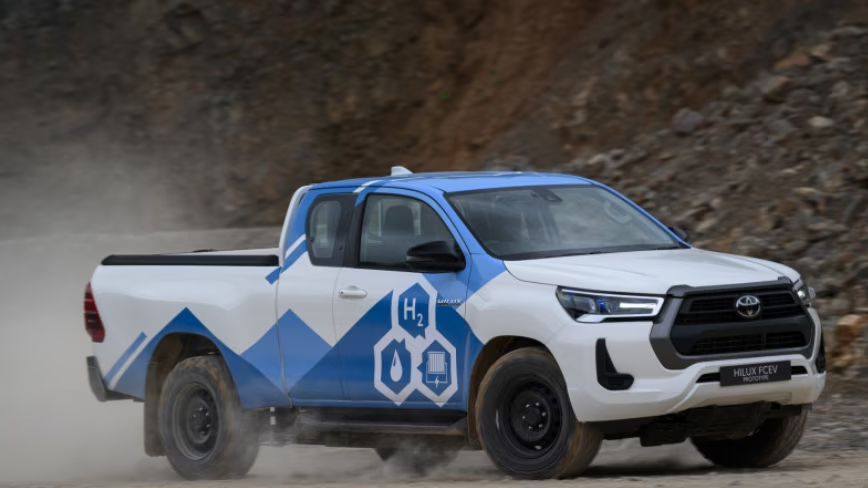
One of ten hydrogen fuel cell Hilux prototypes built at Toyota Motor Manufacturing UK in Derby.

Toyota has confirmed a hydrogen fuel cell Hilux for 2028, the first commercially available fuel cell mid-size pickup in Europe, targeting 400km of range, 2,500kg of towing and a five-minute refuel. Europe and the UK have 179 hydrogen stations between them, one more than in 2023, and the 700-bar dispensers a car needs are being replaced by larger sites built for trucks and buses.
Toyota has confirmed a hydrogen fuel cell Hilux for 2028, the first commercially available fuel cell mid-size pickup in Europe, InsideEVs reported. It will sit beside the electric and mild-hybrid diesel versions.
Toyota targets 400km of range and 2,500kg of towing, on a powertrain close to the Mirai’s. Refuelling takes about five minutes. The company has not said what it will cost.
The electric Hilux manages 257km, tows 2,000kg and needs half an hour to go from 10% to 80%.
On the numbers a working pickup cares about, hydrogen wins on every one.
The prototypes did better still. Ten were built at Toyota’s Derby plant in 2024 with UK government funding, carrying 7.8kg of hydrogen in three tanks inside the ladder frame and an expected 600km. A 330-cell stack over the front axle fed a 134kW motor driving the rear wheels.
The production target is a third lower than that.
Europe has 1.16 million public chargers and spends its time arguing about where to put the kilowatts. It has 179 hydrogen stations, counting the United Kingdom.
That is the whole continent.
The rules say there must be a hydrogen station every 200km on the core road network by the end of 2030, each with a tonne a day of capacity and at least one 700-bar dispenser, plus a tonne a day in every urban node.
That is two years after the truck goes on sale.
The part of the network a car can use is also shrinking. Stations with only a 700-bar dispenser fell from 108 to 32 between 2023 and May this year, while dual-pressure sites built for trucks and buses rose from 50 to 129.
Germany closed 36 first-generation stations in 2025 alone, 22 of them built for passenger cars. The total across Europe went from 178 to 179. The network is not shrinking, it is being rebuilt around somebody else’s vehicles.
Toyota expects Europe to be one of its largest fuel cell markets by 2030, assembles its modules in Belgium and has a third-generation stack due next year, promising a fifth more range at a third less cost. It also has another 2028 promise in Europe, and both depend on something Toyota does not build.
Get the TNW newsletter
Get the most important tech news in your inbox each week.


