 Credit: DragonImages / Canva
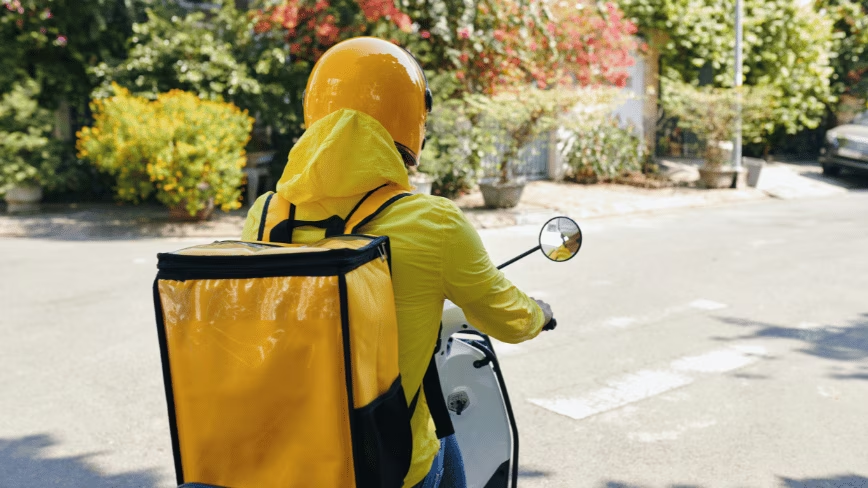
JD.com has strapped artificial intelligence to its couriers’ heads. On Monday, the Chinese group’s food-delivery unit launched a smart helmet with an AI voice assistant and a camera that can “see” the road, the South China Morning Post reported. It follows similar devices from Meituan and Alibaba. All three now want the screen off the rider’s hands and a computer on the rider’s head.
The pitch is safety. JD says the helmet cuts distraction in bad weather, when riders on electric bikes struggle to use a phone with wet hands or poor visibility. Voice commands let them accept orders, message customers, and handle other tasks without looking down. The camera, meanwhile, watches the road ahead.
Rivals got there first. Meituan, the market leader, announced a second-generation helmet in April and promised up to 100,000 of them, free, to riders in Suzhou and Beijing. That version reads delivery notes aloud, runs checks when a courier collects an order, and can flag hygiene problems at a restaurant. Alibaba-backed Ele.me has its own.
Why the fight moved to riders’ heads
The hardware race follows a brutal price war. JD pushed into food delivery in early 2025 and took on Meituan and Alibaba. The three then spent much of the year burning cash on subsidies to win orders and couriers. The bill was enormous. Meituan swung to its biggest loss since listing, and its rivals bled alongside it.
Then Beijing stepped in. Regulators drafted rules against long-running, large-scale subsidies, and Meituan’s chief executive told analysts the firm would not fight a price war. With cash discounts capped, the giants need another edge. A helmet that shaves seconds off every drop is cheaper than another round of coupons.
The scale explains the urgency. In the first quarter of 2026, Meituan handled about 65 million meal orders a day, against roughly 50 million for Alibaba’s Taobao Instashopping and 9 million for JD. In a market that size, every rider made a little faster is an order pulled from a rival. Amazon is learning the same lesson in India.
A camera that also watches the worker
There is a catch the safety pitch skirts. A helmet that films the road also films the rider’s day, and the quality checks turn the lens back on the worker. Meituan’s device already inspects how orders are picked up. Safety kit and a performance monitor can share the same camera, a tension regulators elsewhere are starting to police.
The move also sits oddly beside where these firms say they are going. JD has been testing robots to replace delivery workers outright, and China is swapping human guards for robots and drones in other trades. For now the rider stays. The difference is that a company computer now records the shift.
The rider is the new battleground
China’s delivery platforms have poured their AI ambitions into everything from home-grown models to dispatch algorithms. Strapping that intelligence to a helmet brings it down to the street. The safety gains may be real. So is the fact that, in the world’s fiercest delivery market, the courier’s own head has become contested ground.
Get the TNW newsletter
Get the most important tech news in your inbox each week.


