TL;DR
Boeing selling Wisk Aero, Insitu, and SkyGrid to Archer Aviation for 19.75% equity stake. Boeing exits eVTOL development but retains tech access. Archer gets autonomous flight, drones, and air traffic software. Deal closing by end of 2026. Archer stock jumped 18%.
Boeing is exiting the eVTOL business. The plane maker agreed to sell three subsidiaries, Wisk Aero, Insitu, and SkyGrid, to Archer Aviation in exchange for a 19.75% stake in Archer’s Class A shares and options to purchase more over the next four years. Boeing can also nominate a director to Archer’s board. The deal gives Archer autonomous electric flight technology from Wisk, unmanned aircraft systems from Insitu, and air traffic management software from SkyGrid, all in one transaction. Archer’s stock jumped 18% on the news.
The structure tells you where Boeing thinks the value is. Rather than building its own air taxi, it is taking equity in the company it believes will build a successful one. Boeing retains access to Wisk’s autonomous flight technology through a separate collaboration and technology-sharing arrangement, so it is not walking away from the technology, just from the cost of developing it. Wisk faced a whistleblower lawsuit over rushed software testing, and Boeing’s decision to hand the subsidiary to Archer rather than continue investing in it suggests the internal programme was not progressing fast enough.
Archer now has a significantly wider technology stack. Its Midnight air taxi is designed for short urban flights with a pilot on board. Wisk’s aircraft is designed to fly autonomously with no pilot, supervised remotely. Combining both approaches gives Archer a path from piloted commercial service to eventual autonomous operations, with Insitu’s drone experience and SkyGrid’s traffic management filling in the operational layer. Joby flew an air taxi from JFK to Manhattan in seven minutes as the industry races toward commercial service, and Archer’s expanded technology base positions it to compete on both manned and unmanned fronts.
The deal is expected to close by the end of 2026. Boeing edged down 0.2% on the announcement, confirming the market’s read: this is Boeing shedding a cost centre, not making a bet. For Archer, it is the opposite. The company inherits years of Boeing-funded autonomous flight research, a drone subsidiary with military contracts, and air traffic software that the FAA’s eVTOL integration programme will need. Whether Archer can integrate three acquisitions while simultaneously certifying and launching its own aircraft is the execution risk. The technology portfolio is now formidable. The question is whether one company can manage all of it.


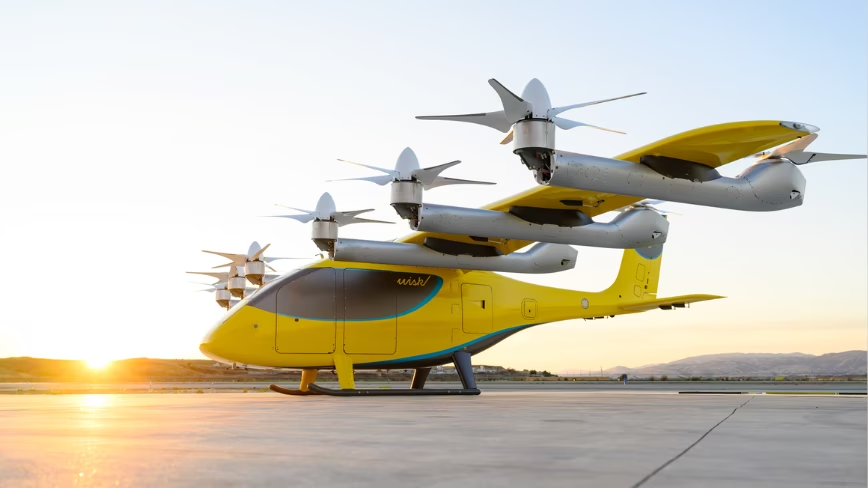
 Credit: Wisk Aero