 Credit: Zendesk
Zendesk is changing how businesses pay for its AI, charging them for problems solved rather than for the number of people using the software. The customer service company announced the change on Tuesday at its AI Summit in San Francisco, as part of a new Outcome AI Platform.
Under the new plans, customers set an ‘Outcome Budget’ and pay for each eligible issue the AI resolves or task it completes. Zendesk checks each result for quality and completeness, so customers can see what counts towards their budget. As a result, businesses can start small and spend more as the AI takes on more work.
Zendesk has backed this model before. Earlier this year, it argued alongside Sierra that AI agents should be paid per result, not per seat, and OpenAI has started trying a similar approach with some customers.
Tapan Patel, a research director at IDC, said the change reflects how business buyers now want to pay for AI. Linking cost to verified results, he added, makes it clearer what customers get for their money.
The platform is also built for a world where people send their own AI assistants to deal with companies. To help with that, Zendesk is launching the Open Service Directory, a public list where brands can register their official support channels. AI assistants can then use it to find verified help, even for brands that do not use Zendesk.
Brands control what they share and when a human must step in. The directory does not access private customer data or take any action itself. Early members include Betterment, ElevenLabs and Telekom Payment.
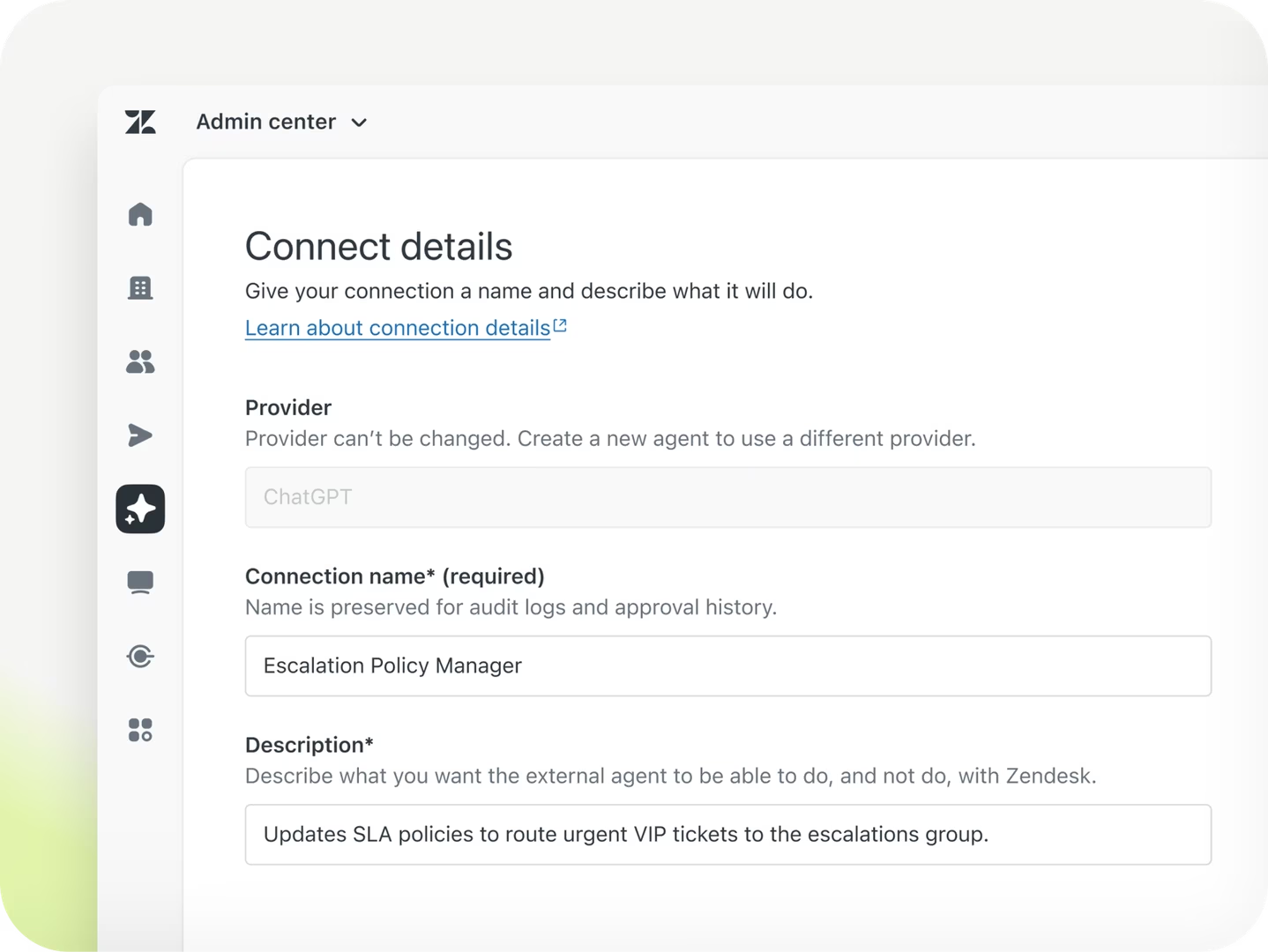
Meanwhile, a tool called Zendesk Bridge lets businesses connect AI agents and apps of their choice, such as ChatGPT, to Zendesk’s systems. Setting up a connection starts with a name, which is kept for audit logs, and a plain description of what the outside agent should and should not do.
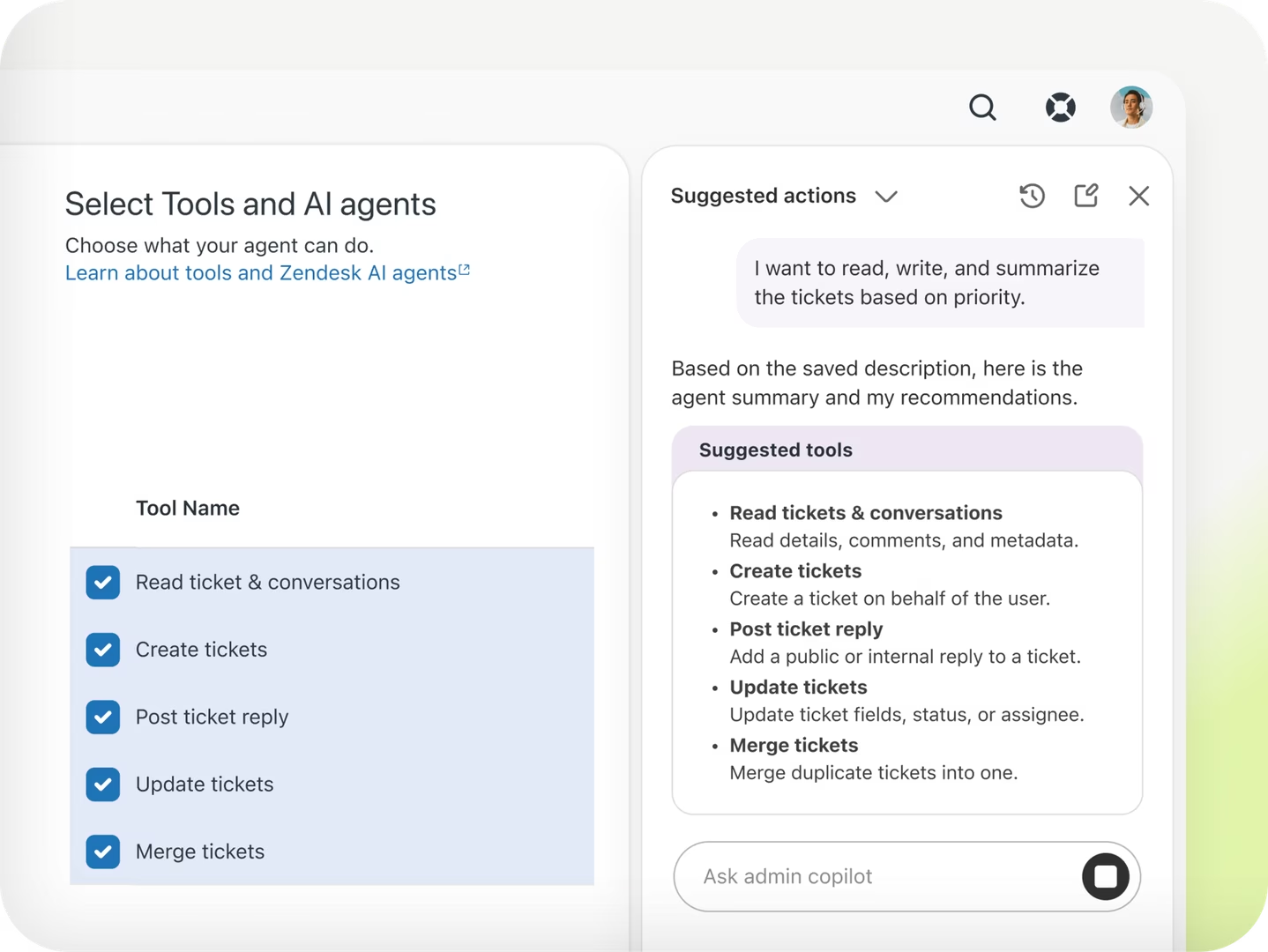
Administrators then choose exactly what each agent may do, such as reading, creating, answering, updating or merging tickets. An assistant called Admin Copilot suggests which tools to switch on, based on the description.
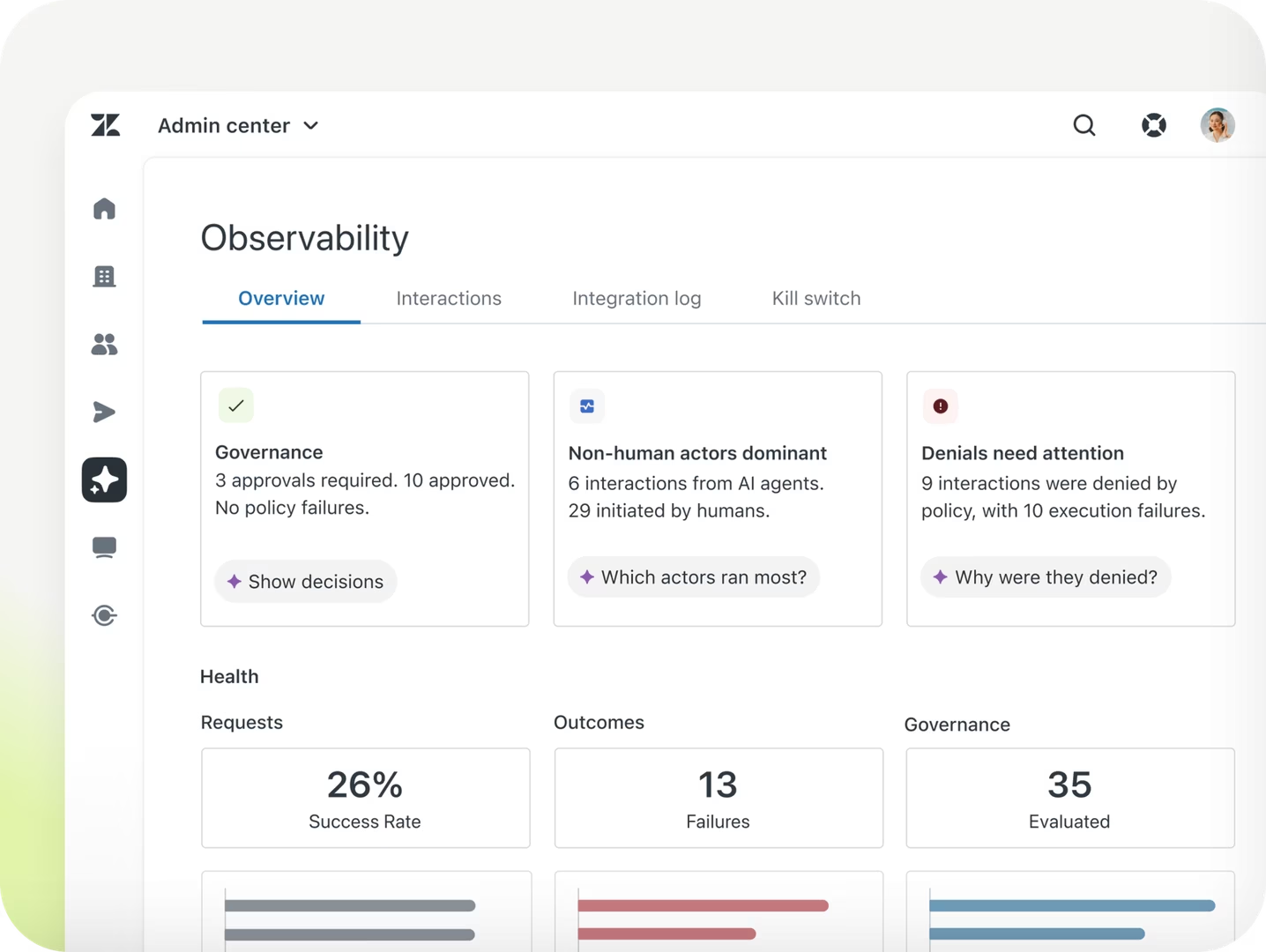
Every action then passes through Bridge, which checks permissions and company rules and asks for human approval where needed. An observability page shows how many requests came from AI agents and how many from people, which ones were blocked and why. It also includes a kill switch. Bridge is in early access, and the directory is launching soon.
“People don’t think about which channels, systems, or departments they need to navigate to interact with a business,” said Zendesk chief executive Tom Eggemeier.
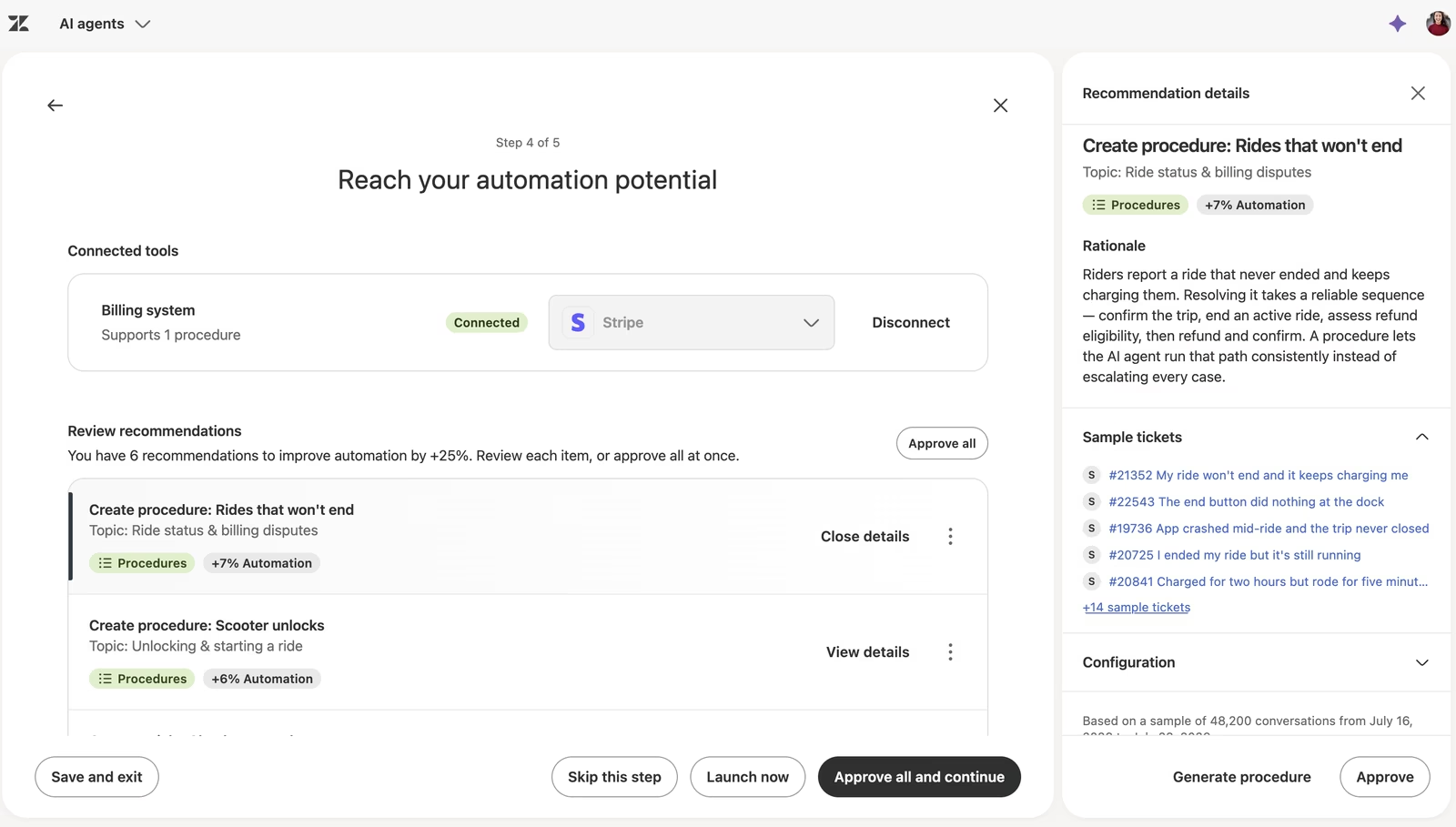
Other new tools, now generally available, help teams build and improve their AI agents. AI Agent Launchpad studies past customer conversations and suggests where AI could take over. In Zendesk’s demo for a scooter rental firm, it proposes a step-by-step process for rides that will not end, using a connected billing system such as Stripe.
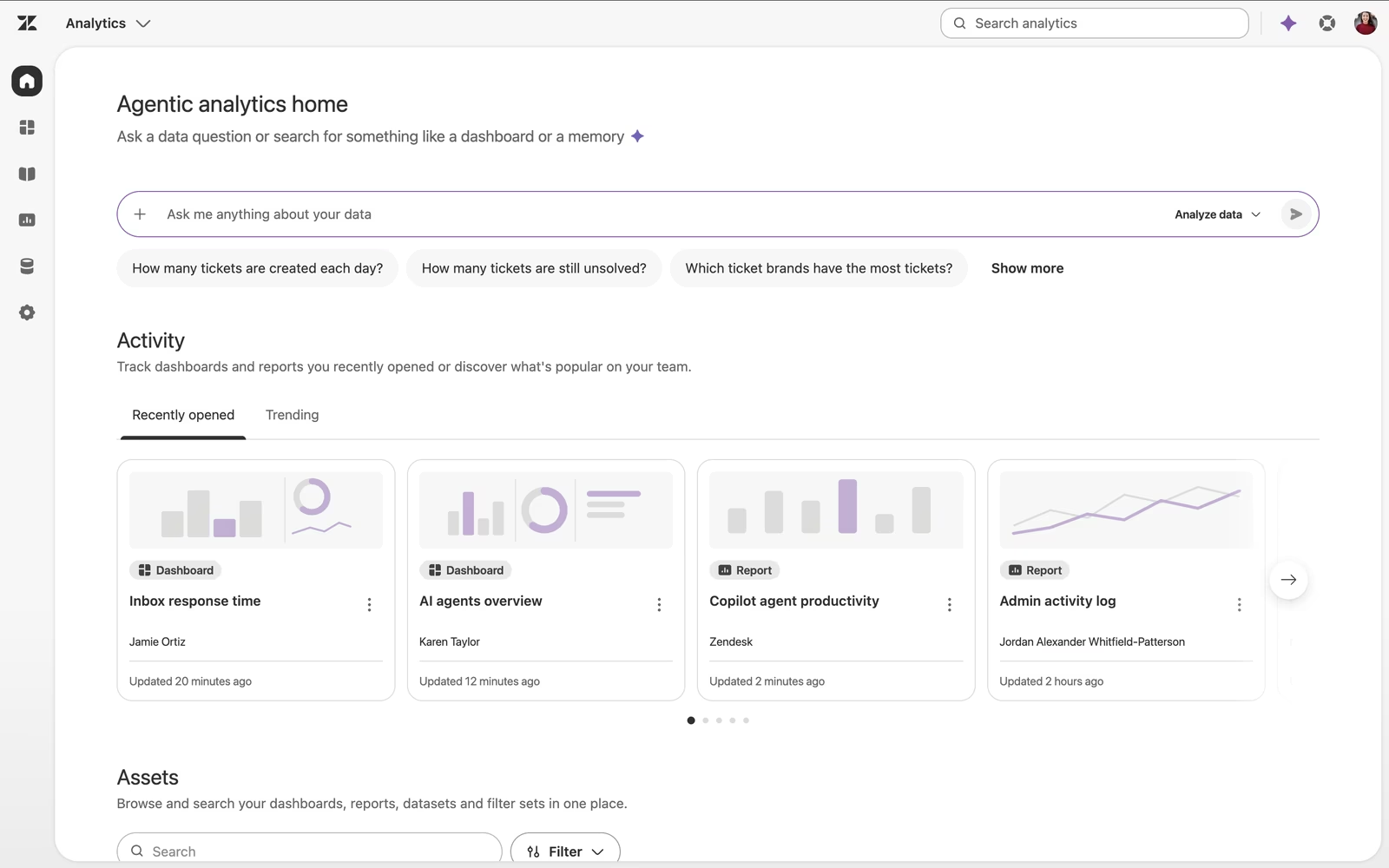
Similarly, Agentic Analytics lets managers ask questions about their data in plain language, such as how many tickets are still open. They can then see whether changes are cutting repeat contacts.
The launch reflects changing habits, according to a Zendesk survey. It found that 52% of consumers are comfortable relying on personal AI assistants for everyday tasks. Even so, 84% said human help should always be available.
The announcement follows Zendesk’s purchase of Forethought, its biggest deal in two decades, as it builds out its AI agents.
Get the TNW newsletter
Get the most important tech news in your inbox each week.


