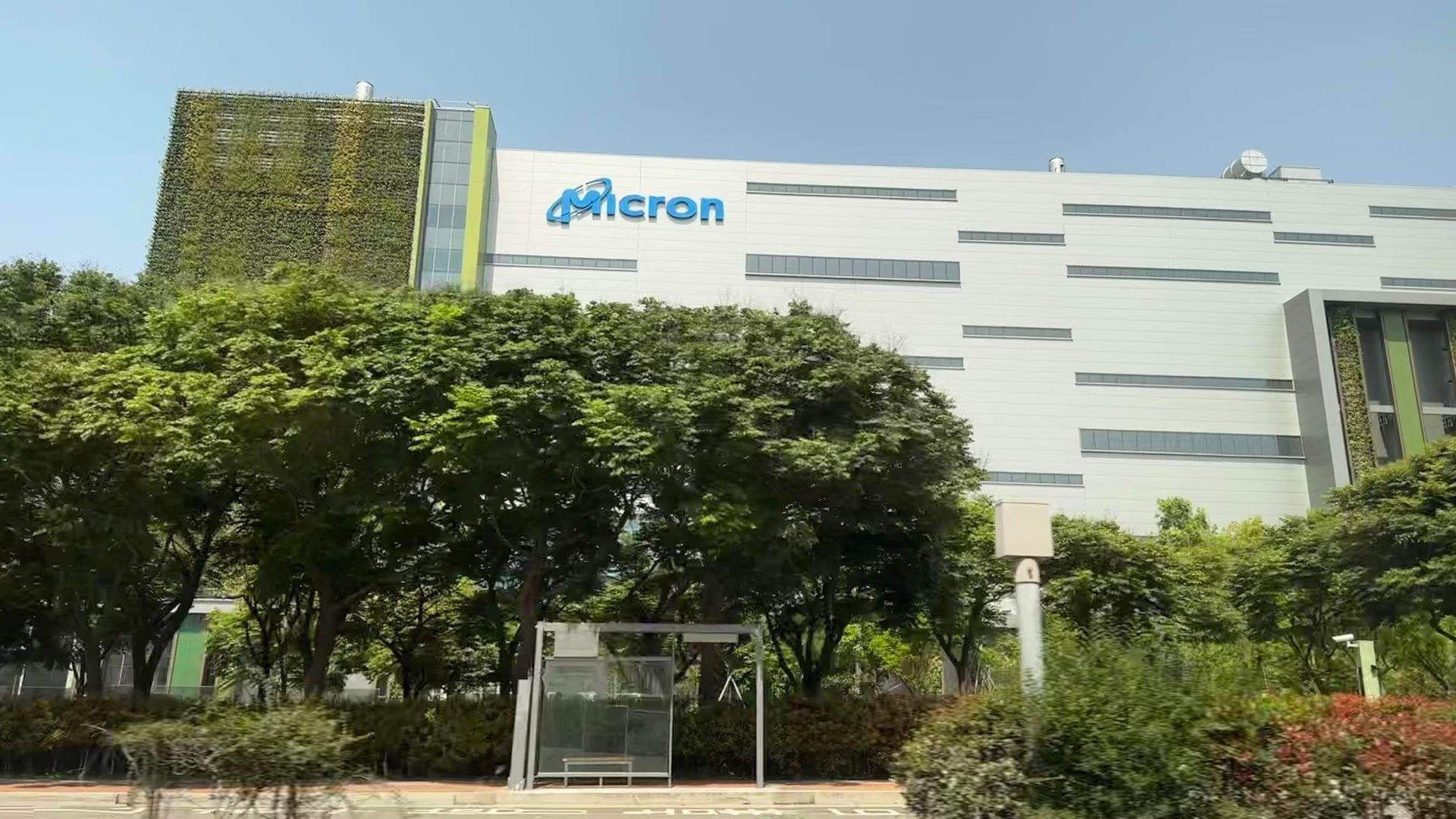
Micron’s chip plant in Taichung, Taiwan.
 Credit: Thingreenline4546 / CC BY-SA 4.0 via Wikimedia Commons (cropped)
Oxide Computer’s second-generation Cloud Computer now ships with Micron memory and storage, and Micron has invested in the startup through Micron Ventures. Oxide sells whole server racks that let companies run a cloud in their own data centres.
Memory maker Micron has invested in Oxide Computer, a startup that builds server racks for companies that want to run their own cloud, Oxide announced on Monday. Oxide’s second-generation rack now ships with Micron memory and storage. Neither company disclosed the size of the investment, as with Micron’s deal with Anthropic in June.
Oxide sells a whole rack of computers, networking and software as a single system. Companies buy it outright and run cloud-style services in their own data centres, with no per-minute bills or fees for moving data out. Oxide pitches it at firms that must keep data in-house for security, latency or sovereignty reasons.
The largest setup packs 1.5 TiB of Micron memory into each server. A full rack holds up to 24 servers, 36 TiB of memory and 6.5 PiB of storage.
“Since our founding in 2019, Oxide has been an iconoclast,” said co-founder and CTO Bryan Cantrill. He said working with Micron lets Oxide offer the benefits of owning hardware without much of the usual hassle.
Oxide is showing the system at the SC26 supercomputing conference in Chicago this week, aiming it at research centres. Scientists can spin up their own virtual machines next to the big shared computers they normally queue for.
The startup reportedly raised $200M in February. Interest in keeping data close is growing, with Microsoft adding offline AI tools to its sovereign cloud. For Micron, the deal comes as it warns the memory shortage will last into 2028.
Get the TNW newsletter
Get the most important tech news in your inbox each week.


