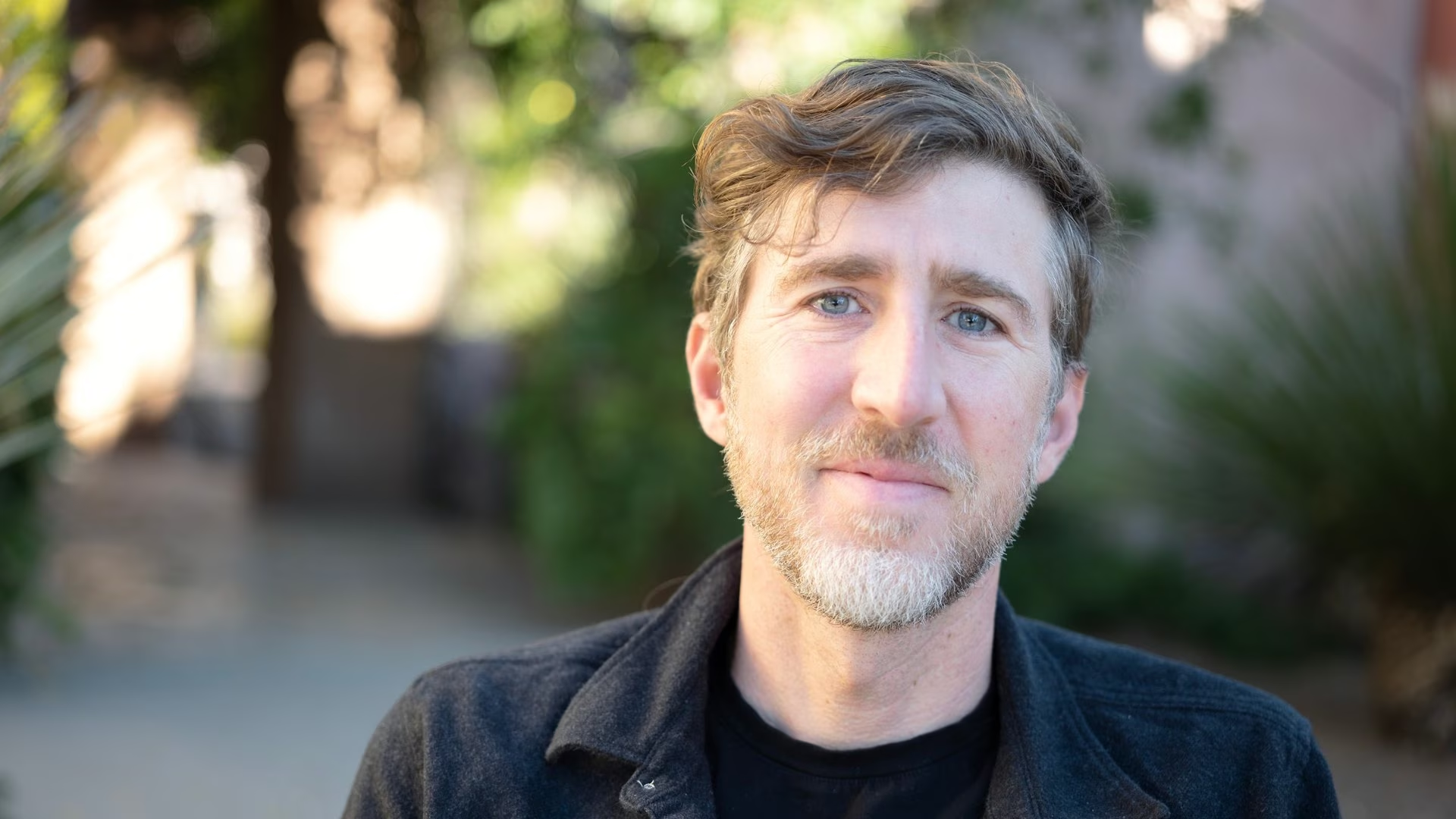
Moxie Marlinspike in 2022

Moxie Marlinspike, who built Signal, says the way AI companies police misuse is turning into the biggest mass surveillance system ever built. He wants the watching pointed at the AI models instead of the people using them, he told Tyler Cowen on Conversations with Tyler. The episode was recorded live at the Progress Conference on 10 October and published on Wednesday.
“You’re building a machinery of mass surveillance that is larger and more efficient than any other mass surveillance machinery in history,” Marlinspike said.
He described today’s approach as scoring everything users do for “badness” and sending the worst to human reviewers. TNW reported in September that contractors read real ChatGPT conversations.
His alternative is to monitor whether the models themselves show bad tendencies. Labs would train narrow models that each spot one kind of behaviour, then use them to check the general models. Cowen asked whether using AI to watch AI really counts, pointing to the Hugging Face breach. Marlinspike said it does.
A chatbot nobody else can read
Chatbots invite confession because they feel private, Marlinspike said. In practice, chats end up in a data lake used for training and analysis.
“You feel like you’re having this conversation with this agent or assistant that gets to know you as your friend… but actually, it’s a huge group chat with many, many more people,” he said.
He runs Confer, a private AI chat service at confer.to. Only the user can read their chats, he said, and he cannot. Claude and ChatGPT “are not operating private services,” he added, though he said the big labs could build one.
Can AI break encryption?
Asked whether the recent flood of AI maths results could break cryptography, Marlinspike answered: “I don’t know.”
“If there is some result that just all of public-key cryptography doesn’t work anymore, then the whole internet is in trouble,” he said.
In that worst case, nobody could trust software updates, websites or online banking. He also described milder outcomes, where some algorithms would only need larger keys. Moving to post-quantum encryption took about five years, he said, and a second switch would likely be faster.
On hacking, he expects a painful period before AI gets as good at patching flaws as at finding them. He put the wait at about a year. Cowen doubted that small cities could patch their systems that fast.
Signal, WhatsApp, and the cameras
Marlinspike said Signal knows almost nothing about its users. It cannot see their contacts, group names, profile names, searches, or stickers. WhatsApp uses the Signal protocol to encrypt messages, but much of that other data is not protected, he said. Signal recently moved to block AI agents from reading chats.
Cowen pushed back on privacy more broadly. He said face scans speed up airports and that CCTV cut murders in São Paulo. Marlinspike said it is hard to argue against a city with a murder problem. He still opposes airport face scanning and argued that law enforcement should stay imperfect.
Cowen also asked what the 2025 Pentagon group chat on Signal had done for the app.
“It made it all worth it for me,” Marlinspike said.
Get the TNW newsletter
Get the most important tech news in your inbox each week.


