TL;DR
Clemson students built the Luminetta for BMW: a 1,212-lb solar EV with 1,700 cells that generates 31 miles of range daily. Energy-positive for a 12-mile commute. CES 2027.
Deep Orange 17, called the Luminetta, weighs 1,212 pounds and regenerates 31 miles of solar range per day against a 12-mile commute. Fraunhofer ISE developed the panels. It heads to CES 2027.
EV
 Credit: Clemson University
Clemson students built the Luminetta for BMW: a 1,212-lb solar EV with 1,700 cells that generates 31 miles of range daily. Energy-positive for a 12-mile commute. CES 2027.
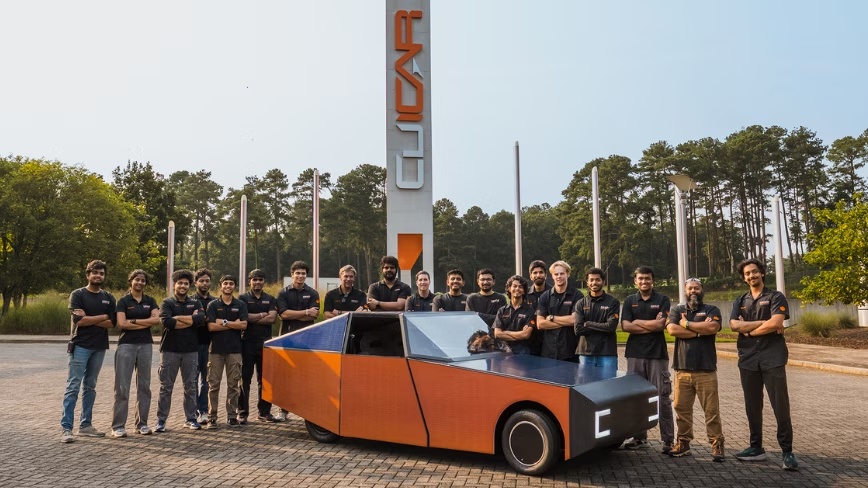
BMW challenged graduate students at Clemson University to build an electric vehicle that generates more energy than it consumes in a day of urban commuting. Two years later, they have a working prototype. Deep Orange 17, which BMW calls the Luminetta, is a two-seat solar EV covered in more than 1,700 photovoltaic cells developed with the Fraunhofer Institute for Solar Energy Systems. It weighs 1,212 pounds and produces enough solar energy to regenerate 31 miles of range per day, more than double the 12-mile daily commute the team used as its benchmark.
The vehicle’s shape, inspired by a box fish, exists to maximise solar surface area. Nearly every square inch of the exterior is a panel. The cells harvest energy while parked, while driving, and in traffic. Fraunhofer’s panels can also capture energy in shade. The orange colour is part of a durable protective film over the cells. The lightweight construction uses steel for the passenger cell, aluminium, carbon fibre, and 3D-printed metal joints. Regenerative braking and optimised torque distribution contribute additional energy savings beyond the solar harvest.
This is a prototype, not a product. BMW is not planning to sell a car covered in solar panels. But the project demonstrates that energy-positive driving is physically achievable if you make the vehicle light enough and the commute short enough. Solar-powered cars have struggled to move from concept to production for decades, with companies like Lightyear and Sono Motors failing to make the economics work at scale. The Luminetta sidesteps that problem by not trying to be a real car. It is a proof of concept, and on those terms, it succeeds.
The vehicle will be displayed at CES 2027 in Las Vegas. Lightyear promised a solar EV that could go months without charging, then went bankrupt. The Luminetta makes no commercial promises, which may be why it actually works. For BMW, the lesson is narrower but real: solar integration can meaningfully extend range on lightweight platforms, even if it cannot yet replace a charging cable on anything people would actually buy.
Get the most important tech news in your inbox each week.


