TL;DR
Amazon filed with the FCC to launch 5,105 satellites for direct-to-device connectivity. It combines Kuiper and Globalstar ($11.6B acquisition). D2D deployment starts 2028. Competes with SpaceX Starlink Mobile.
The filing combines Amazon's Kuiper constellation with Globalstar assets from its $11.6 billion acquisition. Deployment starts 2028. SpaceX's Starlink Mobile is already live.
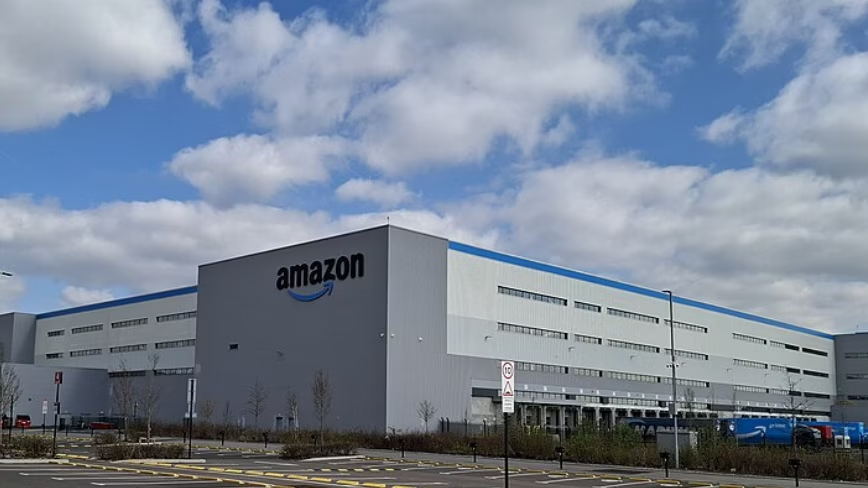
Amazon
 Credit: Auledas
Amazon filed with the FCC to launch 5,105 satellites for direct-to-device connectivity. It combines Kuiper and Globalstar ($11.6B acquisition). D2D deployment starts 2028. Competes with SpaceX Starlink Mobile.
Amazon has asked the FCC to approve the launch of up to 5,105 internet satellites for a direct-to-device network that would send connectivity straight to smartphones without requiring a cell tower. The Saturday filing described a constellation combining Amazon’s existing Kuiper infrastructure with assets from Globalstar, the satellite operator Amazon announced plans to acquire in April for $11.6 billion. Deployment is expected to begin in 2028.
Direct-to-device is the next battleground in satellite internet. SpaceX already offers the service via Starlink Mobile in partnership with T-Mobile in the US, using spectrum acquired from EchoStar. Amazon’s filing targets users who are “unserved or underserved” by existing wireless providers, plus emergency operations, remote worksites, fleet management, and supply chain connectivity. Amazon currently has more than 390 Kuiper satellites in orbit, enough to begin initial Leo internet service later this year, and is required to deploy all 3,232 first-generation satellites by July 2029.
The 5,105-satellite D2D constellation would be separate from and additional to the existing Kuiper fleet. Amazon’s Leo satellite internet entered enterprise beta in April with commercial availability targeted for mid-2026. The Globalstar deal, expected to close in 2027, gives Amazon the terrestrial spectrum and direct-to-device technology that Kuiper alone does not provide. Without Globalstar’s spectrum licences, Amazon cannot legally transmit to phones.
The scale of the combined fleet, over 8,300 satellites if fully deployed, would make Amazon the second-largest satellite operator after SpaceX, which has more than 10,000 Starlink satellites in orbit. Starlink’s growth is getting harder as the addressable market for fixed satellite internet narrows, and D2D is where both companies see the next phase of revenue. The difference: SpaceX is already live. Amazon is filing for permission to start building in 2028. Two years in satellite deployment is an eternity, but $11.6 billion for Globalstar suggests Amazon is not planning to lose this race by choice.
Get the most important tech news in your inbox each week.


