TL;DR
Jay Shetty has signed a deal worth up to $100 million to bring the video version of his On Purpose podcast exclusively to Spotify and Netflix starting 13 July. It is the first time the two companies have jointly signed a creator.
The self-help podcaster’s On Purpose show will move exclusively to Spotify and Netflix on 13 July, marking the first time the two companies have jointly signed a creator
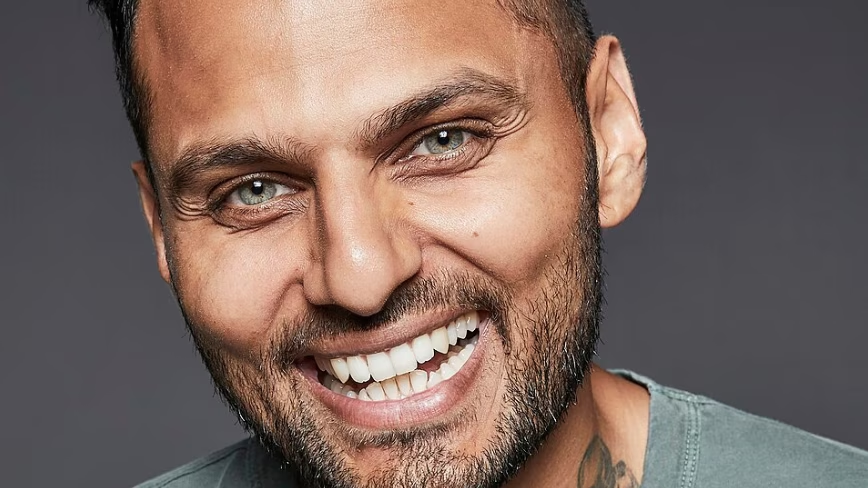
Jay Shetty
 Credit: Jay Shetty
Jay Shetty has signed a deal worth up to $100 million to bring the video version of his On Purpose podcast exclusively to Spotify and Netflix starting 13 July. It is the first time the two companies have jointly signed a creator.TL;DR
Jay Shetty, the former Hindu monk turned self-help podcaster, has signed a deal to bring the video version of his show On Purpose exclusively to Spotify and Netflix. The arrangement is worth as much as $100 million over multiple years, according to people familiar with the deal cited by Bloomberg. That figure puts Shetty in the same financial league as Joe Rogan, whose Spotify deal was worth $250 million, and Alex Cooper, who signed a $125 million agreement with SiriusXM.
The show will move to Spotify and Netflix on 13 July. Older episodes and promotional clips will remain on YouTube and other platforms, but new full-length video episodes will be exclusive to the two services. Spotify will sell ads on the podcast. Netflix and Spotify confirmed the agreement but declined to comment on the financial terms.
This is the first time Spotify and Netflix have teamed up to sign a single creator. The two companies already have an established relationship. Spotify has placed several of its podcast properties on Netflix, including Bill Simmons’ programme, and Netflix co-CEO Ted Sarandos sits on Spotify’s board. Netflix launched podcasts on its service in January 2026 through arrangements with iHeartMedia and Spotify, debuting 34 licensed and original shows in the first month alone.
The joint structure serves both companies differently. Spotify gets an exclusive ad-sales relationship with a top-tier podcast, feeding its advertising business with premium inventory. Netflix gets video content that fills daytime viewing hours, a gap in its programming schedule that scripted and unscripted originals do not efficiently address. Podcast subscriptions and ad-supported models are becoming central to how both platforms think about retention and engagement.
The deal reflects a structural shift in how podcasts are consumed and valued. Video now drives 41% of net podcast advertising revenue in the United States, up from 28% in 2024. The global podcast market generated an estimated $9.2 billion in sales in 2025, a 23% increase year on year, according to research firm Owl & Co. Direct advertising accounted for $5.3 billion of that total, while consumer subscriptions contributed $2.2 billion.
YouTube has been the primary beneficiary of the video podcast boom, becoming the default platform for audiences who want to watch interviews rather than just listen. Spotify learned this the hard way during the Rogan era, when exclusive audio deals failed to capture the full audience because listeners had already migrated to YouTube for video. The Shetty deal is designed to reverse that dynamic by pulling a major video podcaster off YouTube and onto platforms that can monetise the content through subscriptions and targeted advertising.
Shetty previously partnered with iHeartMedia for ad sales and did not distribute his video episodes to Spotify. His show, On Purpose, launched seven years ago and has grown into one of the most popular interview podcasts in the self-help and wellness category, with guests including Oprah Winfrey, Michelle Obama, and Tom Hanks.
The podcast deal is part of a wider expansion by Shetty into the Netflix ecosystem. His production company has two additional projects in development with Netflix, one scripted series and one unscripted. In 2022, the mental wellness app Calm appointed Shetty as its chief purpose officer, and he toured US theatres last year leading audiences in guided meditation sessions. He is building a media brand that spans podcasting, streaming, live events, and wellness products.
The 38-year-old London-born creator represents a specific type of podcaster that streaming services are now competing to sign. Spotify has been building tools to support creator monetisation, including podcast clips, chapter markers, and creator sponsorship management. But the biggest deals still come down to exclusive content agreements that lock specific creators into specific platforms, the same playbook that drove the music streaming wars a decade ago.
Spotify and Netflix are not the only companies chasing podcasters. Tubi, the ad-supported streaming service owned by Fox Corp., has signed deals with YouTubers and podcasters to bring their programmes to the platform. Walt Disney’s Hulu has licensed podcasts to complement its catalogue. Netflix itself has launched original podcast programming, including The Pete Davidson Show.
The economics of these deals reveal how streaming services are thinking about content efficiency. Podcasts are cheaper to produce than scripted television, generate loyal recurring audiences, and fill viewing hours that premium content cannot cost-effectively serve. A $100 million podcast deal over multiple years is a fraction of what Netflix spends on a single season of a prestige drama, but the engagement per dollar may be significantly higher.
For Shetty, the deal represents a bet that exclusive distribution on two of the world’s largest entertainment platforms will grow his audience faster than the open distribution model of YouTube. For Spotify and Netflix, it is a bet that signing premium creators away from YouTube is worth the cost. The outcome depends on whether audiences are willing to follow their favourite podcasters to wherever they happen to be, or whether YouTube’s dominance in video podcasting is too entrenched to dislodge.
Get the most important tech news in your inbox each week.


