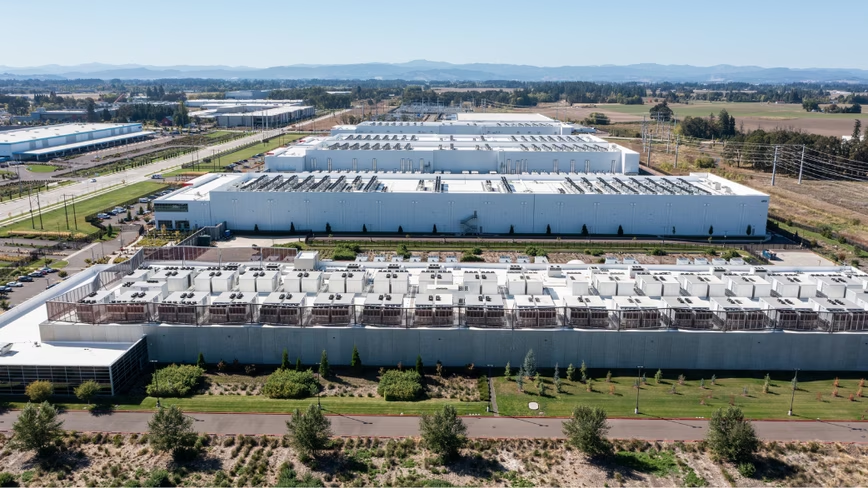
QTS Hillsboro data center buildings, Hillsboro, OR, USA
 Credit: Hrach Hovhannisyan via Shutterstock.com
A memo from US law firm Quinn Emanuel sets out how the debt behind the AI data centre boom could turn into a wave of lawsuits. Liz Hoffman reported that it was doing the rounds again this week for Semafor.
The 20-page client alert was first published in March. It is unusual because it names specific deals, Hoffman wrote.
Deals under the microscope
One is a data centre in upstate New York leased by AI cloud firm Fluidstack, with Google backing the lease. Google’s guarantee only starts once building is finished, the memo notes, so a delay could leave lenders exposed.
It also looks at the financing behind Meta’s giant Hyperion site in Louisiana, CoreWeave’s loans backed by its GPUs, and Oracle’s off-balance-sheet leases.
When chips lose value
The core worry is that AI chips lose value fast. If the GPUs used as collateral are worth less than the loans, lenders could fight over who gets paid.
Because many deals are linked, one default could spread to others. The firm calls this a risk of cascading insolvencies.
It likened GPU-backed lending to “using one’s credit card to pay off the debt on another credit card.”
Hoffman noted that Quinn Emanuel is a litigation firm. If the deals go wrong, it stands to win the court work.
The memo adds to a growing debate about how much AI debt sits off company balance sheets.
Get the TNW newsletter
Get the most important tech news in your inbox each week.


