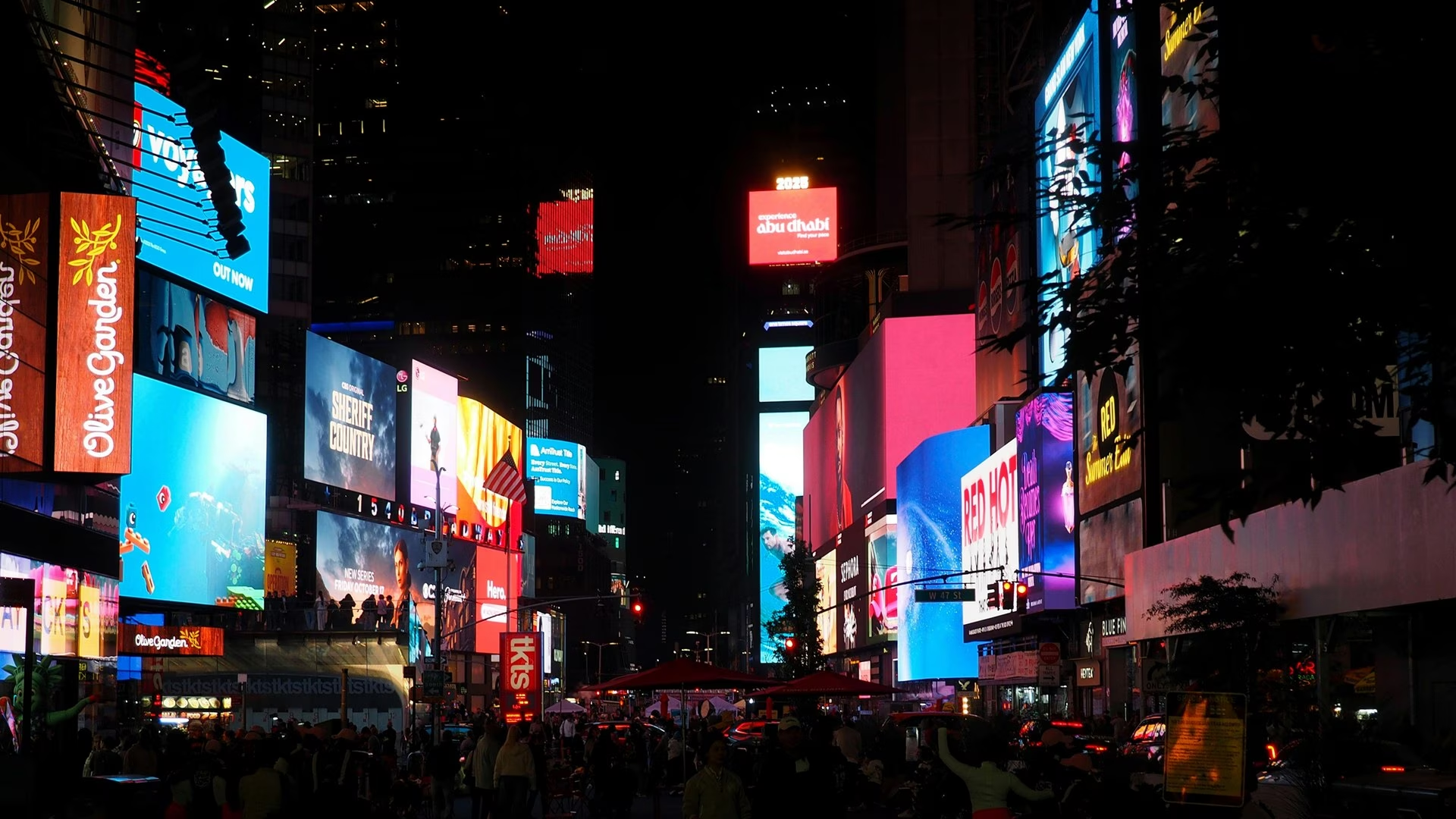
 Credit: Aria Pessianzadeh on Unsplash
Advertisers in Pennsylvania will have to label ads that use AI to mislead consumers about what they are selling. Governor Josh Shapiro approved the Artificial Intelligence Deceptive Advertising Act on 22 October, and it became Act 99 of 2026, according to the General Assembly’s record of Senate Bill 806.
The law covers ads that use “synthetic content”, defined as an image, video, audio clip or text “significantly modified or generated” by AI. Advertisers may not knowingly, recklessly or wilfully run such an ad without a clear disclosure if it creates a false impression about the goods or services. That covers their “nature, origin or authenticity”, the text of the act says.
What the label must do
The disclosure has to say the ad contains content modified or generated using AI. It must appear the first time consumers see the content, in the same medium as the ad. Where technically feasible, it must be permanent or very hard to remove.
The act sets out what “clear and conspicuous” means for AI ads in each format. Audio disclosures must be loud and slow enough to understand. On-screen ones must stay up long enough to read. In print, including point-of-sale displays and brochures, the type must stand out from the background.
Three kinds of content are exempt: anything evidently fictional, parody, satire, commentary or criticism, and content limited to text.
Fines of up to $3,000
The state attorney general or a district attorney can seek an injunction or bring a civil action. Courts can award a civil fine of up to $3,000, plus attorney fees and court costs. The act takes effect 60 days after enactment, which falls on 21 December.
State senator Nick Pisciottano introduced the bill in June 2025. The Senate passed it 48 to 2 in June, and the House passed it 163 to 40 on 7 October.
“Consumers deserve to know if AI is being used to create a false impression about a product or service,” Pisciottano said in a Senate Democrats statement after the final vote.
Labelling AI content is moving elsewhere too. OpenAI has started watermarking ChatGPT text in the EU, and Google has opened a public SynthID detector. Pope Leo has also spoken out against unlabelled AI-generated art.
Get the TNW newsletter
Get the most important tech news in your inbox each week.


